
🔥 When Stomach Acid Goes the Wrong Way: A Guide to GERD (Reflux)
Do you often have a burning sensation in your chest after a meal? Do you experience acid reflux or an unpleasant taste in your mouth, especially when you lie down? You are not alone. These symptoms could be signs of Gastroesophageal Reflux Disease (GERD ) - one of the most common digestive disorders in the Western world.
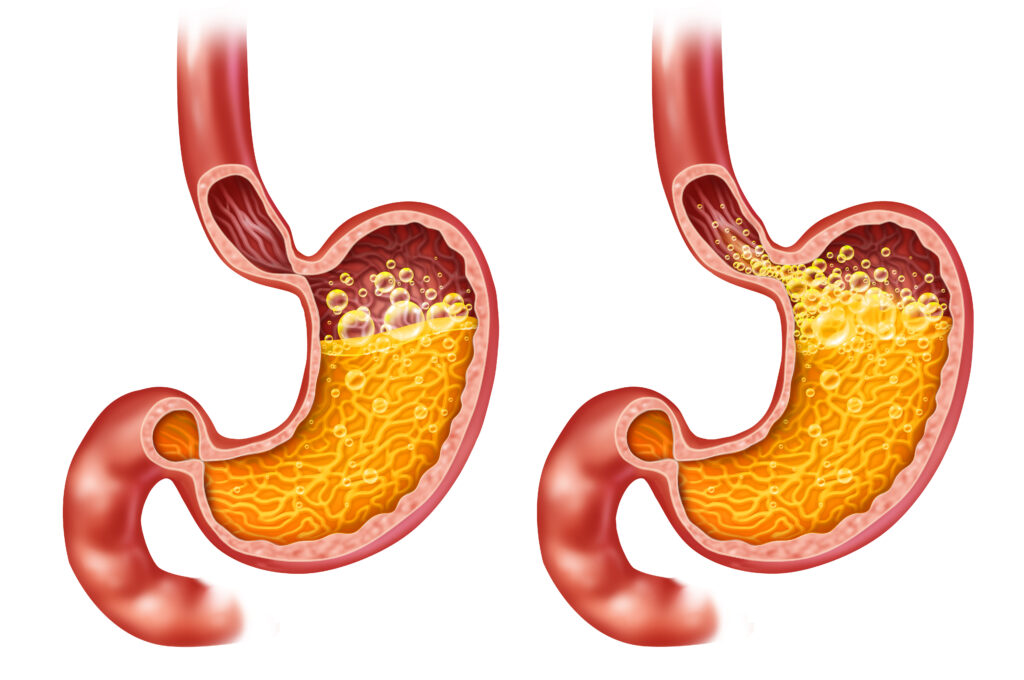
GERD is more than just the occasional heartburn. It's a chronic condition that occurs when stomach acid repeatedly backs up from the stomach into the esophagus.
What is GERD and why does it happen?
Between your esophagus and stomach is an annular muscle called the lower esophageal sphincter (LES).
LES works as a one-way valve:
- Normal: It relaxes to allow food to pass into the stomach and immediately closes tightly to prevent stomach contents from flowing back.
- For GERD: The LES muscle becomes lax or opens inappropriately, allowing stomach acid to flow up into the esophagus.
The esophageal mucosa is not designed to withstand the strong stomach acid. When this happens frequently, irritation and inflammation of the lining occurs, creating the familiar, painful symptoms.
🛑 The Most Common Symptoms of GERD
The classic symptoms of GERD are primarily digestive, but the condition can also cause atypical symptoms:
Classic Symptoms
- Heartburn (pyrosis): A burning sensation behind the sternum, often radiating up towards the throat. Symptoms typically worsen after meals, heavy lifting or lying down.
- Acid regurgitation: The backflow of acidic liquid or undigested food into the throat or mouth.
Atypical/Extra-esophageal Symptoms
- Chronic cough or hoarseness.
- Feeling of a lump in the throat(globulus).
- Chest pain that can be mistaken for heart pain - NOTE: Always seek medical attention for sudden, severe chest pain!
- Difficulty swallowing(dysphagia) or pain when swallowing(odynophagia).
🔎 What Factors Increase Risk?
GERD is often caused by a combination of factors that increase pressure in the stomach or weaken LES function.
| Causal factors | Explanation |
| Overweight | Increased fatty tissue on the stomach puts constant pressure on the stomach and sphincter. |
| Diaphragmatic hernia (Hiatus hernia) | Part of the stomach slides up through an opening in the diaphragm, which can weaken the LES. |
| Pregnancy | Hormonal changes and increased pressure from the fetus. |
| Lifestyle habits | Smoking (nicotine weakens the sphincter) and high alcohol intake. |
| Certain Foods | Foods that relax the LES (e.g. chocolate, peppermint, fatty foods) or irritate the mucosa (e.g. coffee, citrus fruits, tomato). |
| Late/Large Meals | Eating close to bedtime or consuming very large amounts of food increases acid production. |
✅ The Road to Relief: Treatment and Lifestyle
The treatment of GERD has two main goals: to reduce acid reflux and to soothe and heal the esophageal mucosa.
- Lifestyle changes (Your First Line of Defense)
For many people, simple adjustments in everyday life are highly effective:
- Weight loss: If you're overweight, even modest weight loss can reduce pressure.
- Raise the headboard: Raise the headboard by 15-20 cm (e.g. by placing blocks under the bed legs). This uses gravity to keep the acid down, especially during nighttime discomfort.
- Avoid Late Meals: Don't eat the last 2-3 hours before bedtime.
- Identify and Avoid Triggers: Cut down on coffee, chocolate, alcohol, spicy and fatty foods if they aggravate your symptoms.
- Stop Smoking: Nicotine is known to relax the LES muscle.
- Medical Treatment
Depending on the severity and frequency of symptoms, your doctor may recommend:
- Antacids and Barrier Formers: Used for mild and occasional heartburn. They neutralize stomach acid quickly or form a foaming barrier on top of stomach contents (e.g. alginates).
- Proton Pump Inhibitors (PPIs): These are the most effective medication to block acid production and give the esophagus time to heal. They are typically used in a 4-8 week course to treat inflammation and can be used continuously at the lowest effective dose to maintain symptom control.
Important: If you experience difficulty swallowing, unexplained weight loss or blood in the stool/vomit, contact your doctor immediately as these are signs that require further investigation (e.g. gastroscopy) to rule out more serious conditions.
Key Takeaways
- GERD (Gastroesophageal Reflux Disease) is a chronic condition in which stomach acid flows back into the esophagus, causing unpleasant symptoms.
- Classic symptoms include heartburn and acid reflux, while atypical symptoms may include chronic cough, chest pain, and difficulty swallowing.
- Factors such as obesity, pregnancy, and certain foods can increase the risk of GERD.
- Lifestyle changes such as weight loss, raised headboards, and avoiding triggers can alleviate symptoms.
- Medical treatments include antacids and acid inhibitors to reduce acid production and protect the esophagus.
Estimated reading time: 4 Minutes