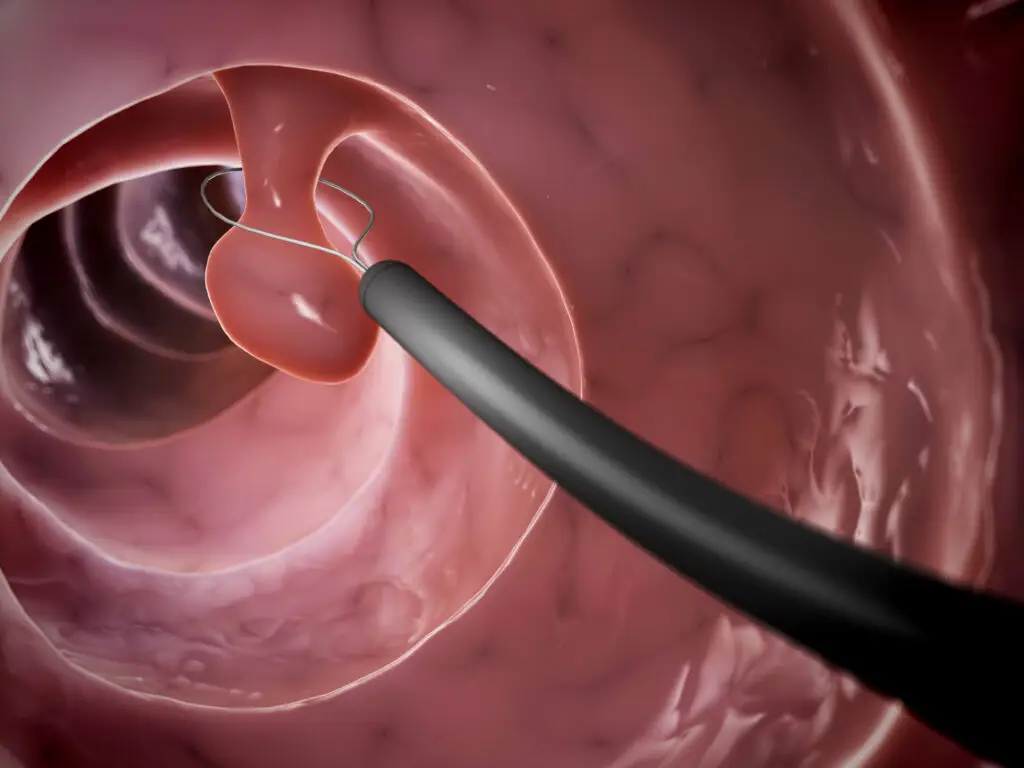
Intestinal polyps
Colon Polyps: A Surgical Guide to Types, Risks, and Detection via Colonoscopy What are colon polyps? Colon polyps are small growths or nodules, […]

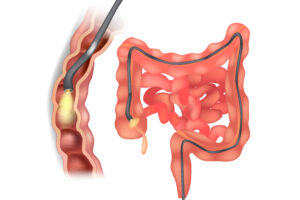
A colonoscopy is an examination of the large intestine using a telescope, which plays a crucial role in modern diagnostics. Whether you have experienced bleeding from the intestine, persistent abdominal pain, or have been invited to participate in the national screening program for colorectal cancer, a colonoscopy is the safest way to obtain clarification and prevent disease.
During the examination, a thin, flexible tube (a colonoscope) is inserted through the rectum and all the way through the colon. The tube has a small camera at the tip that sends high-resolution images to a screen so that the specialist can inspect the intestinal mucosa in detail.
There are several reasons why a doctor might recommend a colonoscopy:
Colorectal cancer (including rectal cancer) often develops from small, benign growths called polyps. Screening allows us to find and remove these polyps before they develop into cancer. This makes colonoscopy one of the most effective preventive measures we have.
Many patients are referred on the basis of specific symptoms:
Bleeding from the intestine: Although blood is often caused by hemorrhoids, cancer or inflammation must always be ruled out.
Abdominal pain: Unexplained or chronic abdominal pain often requires an examination of the intestines to find the cause.
Changed bowel habits: Diarrhea or constipation over a longer period of time (more than 4 weeks).
Many people dread the examination, but most find it less uncomfortable than they had imagined.
Preparation: The most important thing is to cleanse the day before. The intestine must be completely clean so that the doctor can see all the tissue.
Anesthesia: You can usually get relaxing and pain-relieving medication to help you feel safe and relaxed during the procedure.
Duration: The examination itself typically takes between 30 and 45 minutes.
You will receive the results of the examination immediately. If tissue samples have been taken or polyps removed, these will be sent for microscopy, and you will receive the final results after 1-2 weeks. As air is pumped into the intestine during the procedure, you may experience slight discomfort and mild abdominal pain immediately afterwards, but this will quickly subside.
Below you will find scientific documentation of the effectiveness of colonoscopy:
Kaminski, M. F., et al. (2010). “Quality indicators for colonoscopy and the risk of interval cancer.” PubMed PMID: 20463337. The study proves that a thorough colonoscopy significantly reduces the mortality rate of colon cancer. Link to PubMed
Rex, D. K., et al. (2017). “Colorectal Cancer Screening: Recommendations for Physicians and Patients.” PubMed PMID: 28600130. Documents why colonoscopy is the gold standard for colorectal cancer screening. Link to PubMed
Levin, B., et al. (2008). “Screening and surveillance for the early detection of colorectal cancer and adenomatous polyps.” PubMed PMID: 18322143. A comprehensive review of colorectal cancer screening. Link to PubMed
Hassan, C., et al. (2016). “Post-colonoscopy colorectal cancer rate.” PubMed PMID: 26499933. Analyzes the relationship between colonoscopies and the prevention of serious disease. Link to PubMed
Colon Polyps: A Surgical Guide to Types, Risks, and Detection via Colonoscopy What are colon polyps? Colon polyps are small growths or nodules, […]
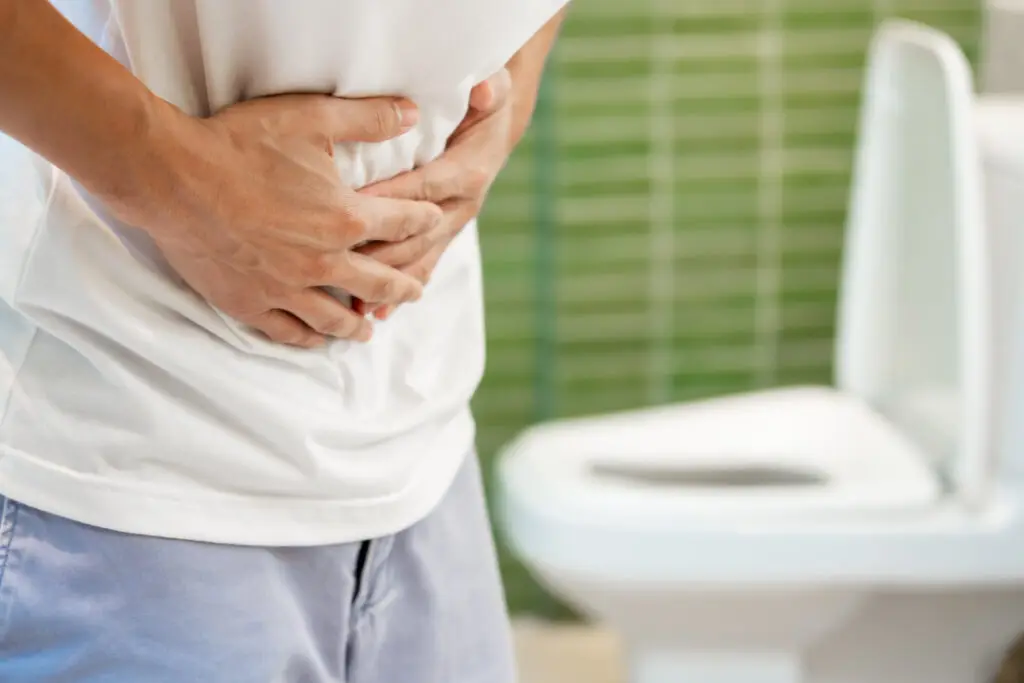
Chronic Diarrhea 1. Definition and Description In Denmark, chronic diarrhea is defined as a condition in which one has loose or watery stools.