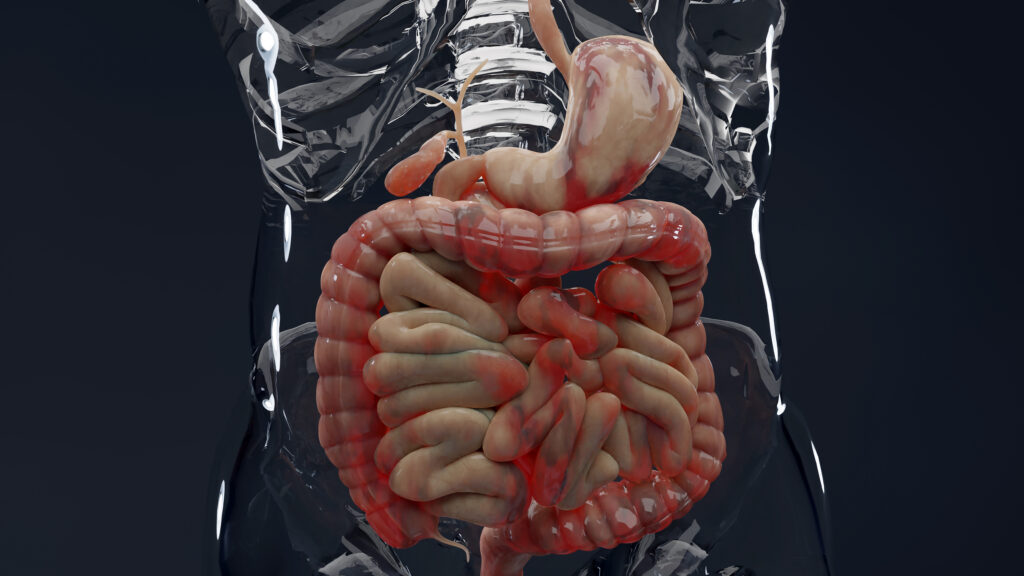
Crohn's disease
Crohn's disease: Everything about symptoms, intestinal examination, and modern treatment Do you experience recurring stomach pain, weight loss, or perhaps bleeding from the rectum? It could be […]


We all know the feeling – your stomach is in knots and you have to rush to the toilet. Diarrhea is one of the most common symptoms of gastrointestinal problems. But when loose stools become a recurring part of everyday life, accompanied by stomach pain, it is important to find out whether there is something more serious behind it or whether it is irritable bowel syndrome (IBS).
In this post, we look at the typical causes of diarrhea and how a colonoscopy can provide answers to your stomach problems.
Diarrhea is defined as three or more loose stools per day. It can be acute (lasting a few days) or chronic (lasting more than 4 weeks).
Acute diarrhea: Often caused by a viral or bacterial infection (e.g., norovirus or food poisoning).
Chronic diarrhea: Can be caused by anything from food allergies and celiac disease to chronic inflammatory diseases such as ulcerative colitis or Crohn's disease.
Irritable bowel syndrome (IBS): One of the most common causes of changing bowel habits.
Many Danes live with irritable bowel syndrome, where diarrhea often occurs together with stomach pain, bloating, and lots of air in the stomach. With IBS, the structure of the intestine itself is not faulty, but the movements and sensitivity of the intestine are disturbed.
A typical feature of IBS is that the pain often eases after a visit to the toilet, but the diarrhea can feel acute and stressful in everyday life.
If your diarrhea lasts for more than four weeks, or if you experience "alarm symptoms," your doctor will often refer you for a colonoscopy.
A colonoscopy is an examination of the large intestine using a telescope, which can rule out serious causes of diarrhea:
Detecting inflammation: The doctor can see if there are any sores or redness that might point to chronic intestinal inflammation.
Exclusion of cancer: Although bowel cancer most often causes bleeding, changes in bowel movements and diarrhea can also be a symptom.
Tissue samples (biopsies): In microscopic colitis (a form of intestinal inflammation), the intestine appears normal, but biopsies taken during colonoscopy can reveal the inflammation.
Scientific source: Research on PubMed emphasizes that colonoscopy with biopsies is crucial for distinguishing between functional disorders such as irritable bowel syndrome and organic diseases such as microscopic colitis in patients with chronic, watery diarrhea (Source: Menees S.B. et al., 2015, PubMed).
You should always seek medical attention if your diarrhea is accompanied by:
Bleeding from the intestine (blood in the stool).
Unintentional weight loss.
Nighttime toilet visits (irritable bowel syndrome rarely causes diarrhea at night).
Fever or severe abdominal pain.
Managing chronic diarrhea: Menees SB, et al. The Lexicon of Chronic Diarrhea and Its Practical Application. Am J Gastroenterol. 2015.
Irritable bowel syndrome and diagnostics: Ford AC, et al. Irritable bowel syndrome. Lancet. 2020.
Microscopic colitis: Pardi DS. Diagnosis and Management of Microscopic Colitis. Am J Gastroenterol. 2017.
Crohn's disease: Everything about symptoms, intestinal examination, and modern treatment Do you experience recurring stomach pain, weight loss, or perhaps bleeding from the rectum? It could be […]
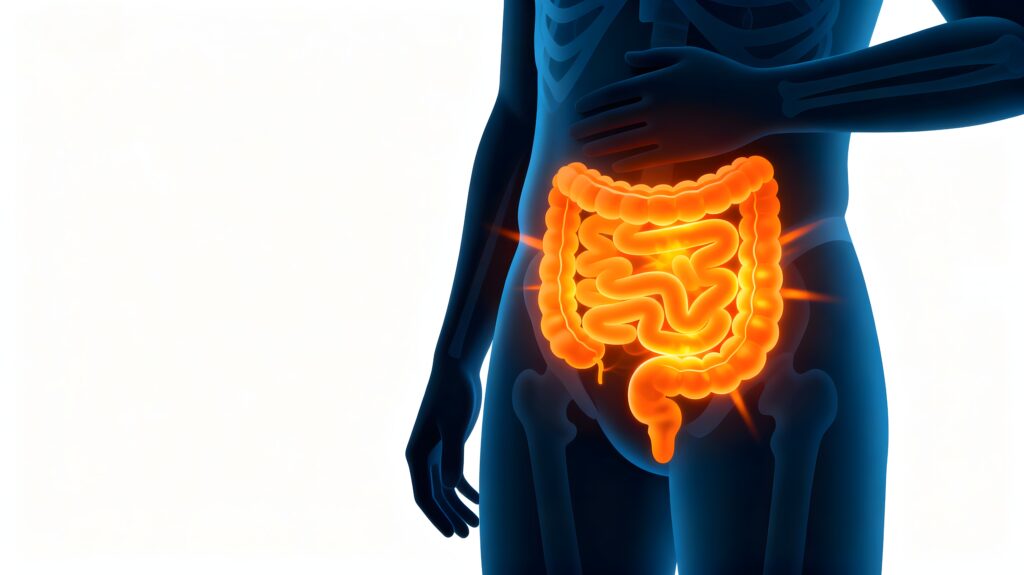
Microscopic colitis: An overlooked cause of chronic diarrhea Do you suffer from persistent, watery diarrhea that affects your daily life? Many patients

When your gut bacteria move in: Understanding SIBO Small Intestinal Bacterial Overgrowth (SIBO) is a condition that