
Microscopic colitis: An overlooked cause of chronic diarrhea
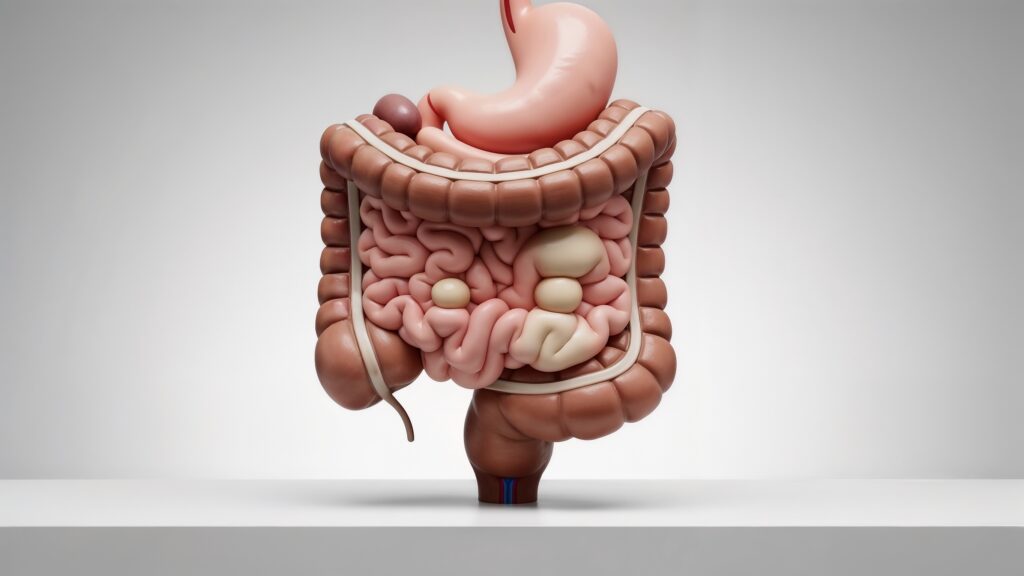
Do you suffer from persistent, watery diarrhea that affects your daily life? Many patients with these symptoms are mistakenly told that they have irritable bowel syndrome. But behind the frequent trips to the toilet may lie a condition called microscopic colitis.
At kirurgen.dk, we are experts in diagnosing gastrointestinal disorders. In order to make the correct diagnosis, a specialized intestinal examination is necessary, as this disease cannot be seen with the naked eye.
What is microscopic colitis?
Microscopic colitis is a chronic inflammatory condition of the colon. What makes this disease unique is that the surface of the intestine looks completely normal and healthy when viewed during a colonoscopy. The inflammation is hidden in the tissue itself and can only be detected by taking small tissue samples (biopsies), which are then examined under a microscope.
The disease is divided into two types:
- Collagen colitis: Here, a thickened layer of connective tissue (collagen) can be seen beneath the mucous membrane.
- Lymphocytic colitis: This involves an accumulation of white blood cells (lymphocytes) in the intestinal mucosa.
Both types cause the same unpleasant symptoms, including acute and severe diarrhea.
Symptoms you should respond to
The primary sign of microscopic colitis is chronic, watery diarrhea, which often occurs quite suddenly. Other typical symptoms include:
- Difficulty controlling the urge to defecate.
- Need to use the toilet at night.
- Abdominal pain, bloating, and fatigue.
- Unintentional weight loss in severe cases.
If you experience these symptoms over a longer period of time, you should have a thorough intestinal examination to determine the cause.
The diagnosis requires a colonoscopy.
Since the inflammation cannot be seen directly, a colonoscopy is the only reliable way to make a diagnosis. During a colonoscopy, we insert a flexible telescope through the large intestine. Even if the mucous membrane looks normal, we routinely take tissue samples from the right and left sides of the intestine.
This intestinal examination is not only important for detecting microscopic colitis, but also for ruling out other causes of diarrhea, such as:
- Polyps or early stages of cancer.
- Crohn's disease or ulcerative colitis.
- Infections in the intestine.
At kirurgen.dk, we ensure that your colonoscopy is performed in a safe and professional environment, so that you receive the fastest and most accurate answers to your concerns.
Treatment and advice
Once the diagnosis has been made, there are fortunately effective treatment options available:
- Medical treatment: Locally acting adrenal cortex hormone (Budesonide) is often used, which effectively reduces inflammation and stops your diarrhea.
- Review of medication: Certain types of medication (e.g., arthritis medication such as ibuprofen or certain types of stomach ulcer medication) can trigger the condition. We will advise you on alternatives.
- Psyllium: a medically prescribed form of psyllium that helps stop diarrhea
- Diet: Although diet is not the cause, small adjustments can help calm the intestines during recovery.
Scientific references (PubMed format)
- Münch A, Langner C, Magro F, et al. Microscopic colitis: European principles and recommendations for management. United European Gastroenterol J. 2020;8(3):261-281. doi: 10.1177/2050640620902341. PMID: 32212913.
- Pardi DS, Khanna S. Microscopic Colitis: An Update on Epidemiology, Pathogenesis, and Management. Am J Gastroenterol. 2023;118(11):1941-1951. doi: 10.14309/ajg.0000000000002447. PMID: 37552044.
- Kane JS, Ford AC. Microscopic Colitis: Diagnosis and Management. Gastroenterology. 2017;152(4):723-730. doi: 10.1053/j.gastro.2016.12.043. PMID: 28093238.
- Guagnozzi D, Lucendo AJ. Recent advances in the management of microscopic colitis. Expert Rev Gastroenterol Hepatol. 2020;14(1):31-43. doi: 10.1080/17474124.2020.1706481. PMID: 31854229.