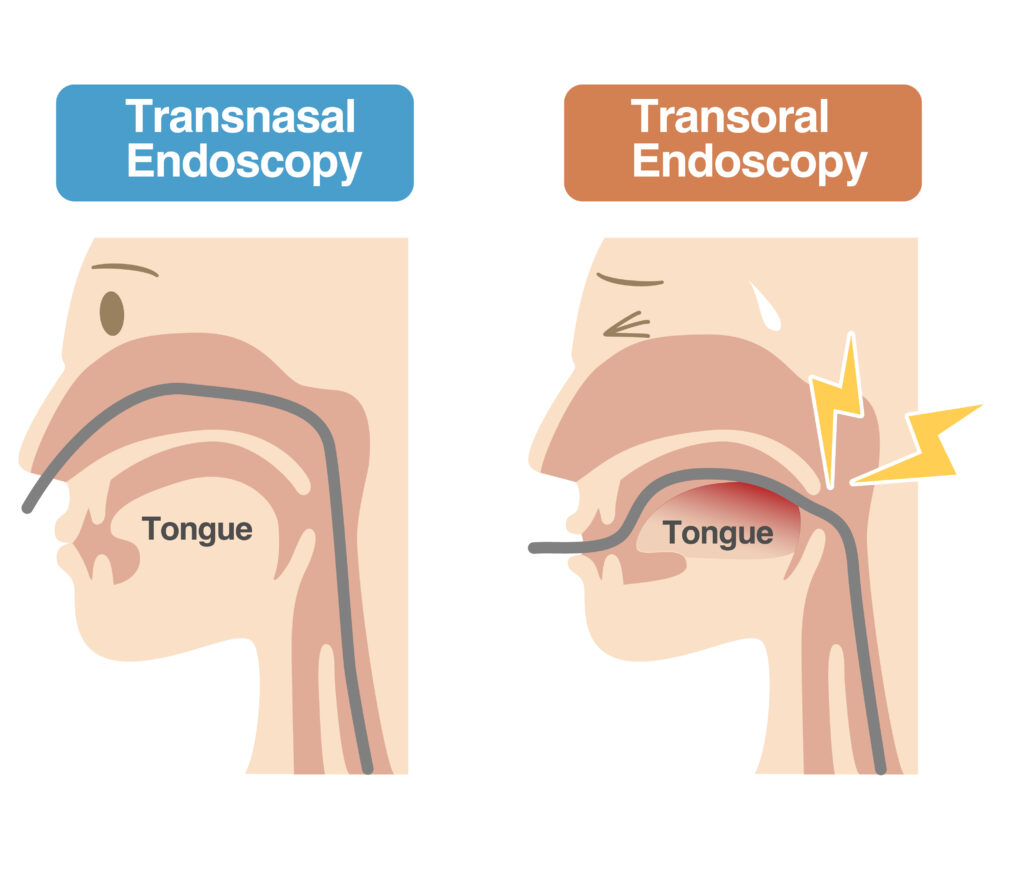
Nasal vs. Oral Gastroscopy
Gastroscopy: Nasal vs. Oral – Which Examination is Best for You? What is a gastroscopy? A gastroscopy is an endoscopic examination […]

When a doctor suspects disorders in the gastrointestinal tract, an endoscopy is the most accurate tool available. But what is the difference between the various types, and which examination is relevant for your symptoms?
Whether it is a matter of investigating bowel cancer, examining reflux, or suspected stomach ulcers, there is a specific endoscopic examination for the purpose.
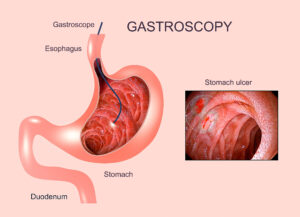
A gastroscopy examines the esophagus, stomach, and duodenum.
Indications: Often used for upper abdominal pain, difficulty swallowing, or unexplained fatigue (anemia).
Stomach ulcers: Here, the doctor can directly see if there are ulcers in the stomach or duodenum and take tissue samples to check for the stomach ulcer bacterium (H. pylori).
Reflux: In cases of chronic heartburn and acid reflux, it is possible to assess whether stomach acid has damaged the esophagus (esophagitis).
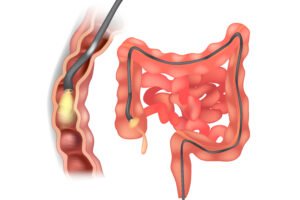
A colonoscopy is the gold standard when it comes to prevention and diagnosis throughout the colon.
Colorectal cancer: This is the most important test for detecting colorectal cancer or removing polyps, which are precursors to cancer.
Symptoms: Used for bleeding from the intestine, persistent changes in bowel habits, or chronic constipation.
Procedure: The scope is passed through the entire colon (approx. 1.5 meters), which requires a full bowel preparation the day before.
A sigmoidoscopy is similar to a colonoscopy, but only examines the lower third of the large intestine (the rectum and sigmoid colon).
Why choose this one? If the symptoms (such as fresh bleeding) point specifically to the lower sections, this examination can often be performed with less extensive cleansing (often just a small enema shortly before the start).
Limitation: Since the entire colon cannot be viewed, it is less suitable for a full screening for colon cancer compared to a colonoscopy.
| Investigation | Area | Primary focus | Preparation |
| Gastroscopy | Esophagus, stomach | Reflux, stomach ulcer | Fasting (no food/drink) |
| Colonoscopy | The entire large intestine | Colorectal cancer, polyps | Complete cleansing with liquid |
| Sigmoidoscopy | Lower intestine | Fresh bleeding, polyps | Smaller enema |
Here is the scientific background for the use of these studies:
Sung, J. J., et al. (2009). “Prevention of colorectal cancer.” PubMed PMID: 19782488. Documents the importance of colonoscopy and sigmoidoscopy in the prevention of colorectal cancer. Link to PubMed
Vakil, N., et al. (2006). “The Montreal definition and classification of gastroesophageal reflux disease (GERD).” PubMed PMID: 16952289. The key source for understanding reflux and the importance of gastroscopy. Link to PubMed
Malfertheiner, P., et al. (2017). “Management of Helicobacter pylori infection.” PubMed PMID: 27707753. Reviews the diagnosis of stomach ulcers via gastroscopy. Link to PubMed
Lin, J. S., et al. (2021). “Screening for Colorectal Cancer: Updated Evidence Report and Systematic Review for the US Preventive Services Task Force.” PubMed PMID: 34003220. A recent review of the effectiveness of different types of scopes. Link to PubMed
Gastroscopy: Nasal vs. Oral – Which Examination is Best for You? What is a gastroscopy? A gastroscopy is an endoscopic examination […]