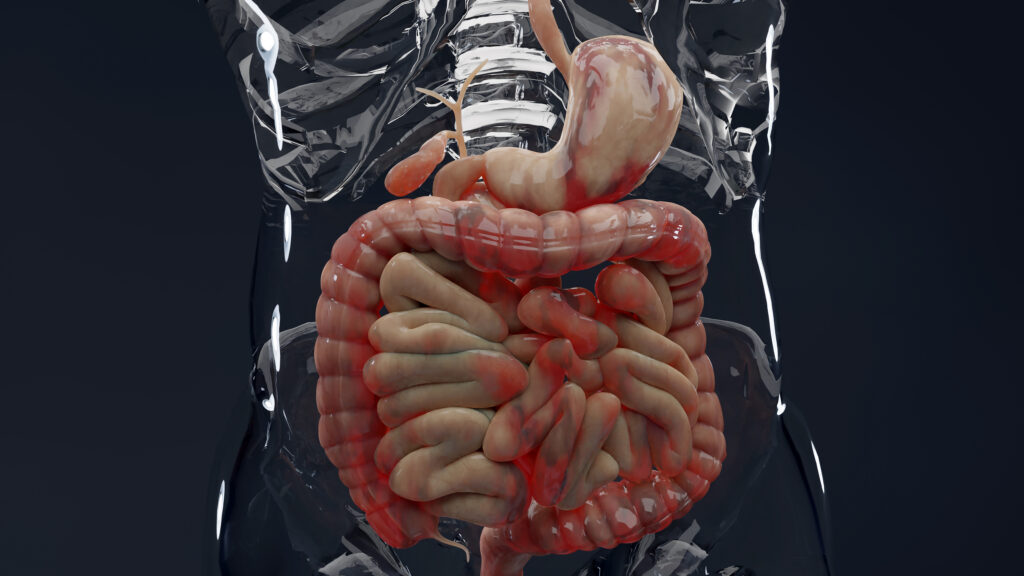
Crohn's disease
Crohn's disease: Everything about symptoms, intestinal examination, and modern treatment Do you experience recurring stomach pain, weight loss, or perhaps bleeding from the rectum? It could be […]

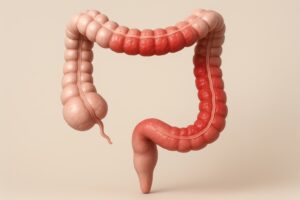
Persistent stomach pain, fatigue, and frequent trips to the bathroom may be signs that your intestines are in a chronic state of inflammation. The term "colitis" covers several different diseases, each of which requires its own approach to treatment. However, what they all have in common is that a correct diagnosis almost always requires a colonoscopy.
In this post, we look at the three most common types of intestinal inflammation and the symptoms you should be aware of.
Ulcerative colitis affects only the large intestine and rectum. The inflammation is located in the mucous membrane and almost always starts in the lower part of the rectum and then spreads upward.
Symptoms: Bloody diarrhea, urgent need to use the toilet, and cramping abdominal pain.
Where ulcerative colitis only affects the large intestine, Crohn's disease can affect the entire digestive system – from the mouth to the rectum. The inflammation can also penetrate deeper into the layers of the intestinal wall.
Symptoms: Abdominal pain (often on the right side), weight loss, fever, and fistulas (small passages) near the rectum.
Microscopic colitis is often seen in mature women. Here, the intestine looks completely normal to the naked eye during a colonoscopy, but when tissue samples are taken, inflammation is revealed under the microscope.
Symptoms: Severe, watery diarrhea (often many times a day), but rarely blood.
Scientific insight: Studies indicate that the incidence of both ulcerative colitis and Crohn's disease is increasing worldwide, highlighting the need for early detection to avoid irreversible intestinal damage (Source: Ng S.C. et al., 2017, PubMed).
If you suffer from chronic abdominal pain and changes in bowel habits, your doctor will often start with blood tests and a stool sample (calprotectin) to measure the degree of inflammation.
The most important examination is a colonoscopy. This involves inserting a telescope through the entire colon. This allows the doctor to:
Look for signs of inflammation (redness, sores, or swelling).
Take tissue samples (biopsies), which are necessary to distinguish between the different types of colitis.
Rule out other causes of the symptoms, such as polyps or cancer.
[Image showing a colonoscopy procedure with a camera inspecting the colon wall]
Once diagnosed, there are now many effective treatments available that can reduce inflammation and restore your quality of life. Treatment ranges from locally acting suppositories and foams to biological medicines that target the immune system.
Global incidence of IBD: Ng SC, et al. Worldwide incidence and prevalence of inflammatory bowel disease in the 21st century: a systematic review of population-based studies. Lancet. 2017.
Diagnosis of microscopic colitis: Münch A, et al. Microscopic colitis: Current status, present and future challenges. J Crohns Colitis. 2012.
Managing Crohn's disease: Torres J, et al. Crohn's disease. Lancet. 2017.
Crohn's disease: Everything about symptoms, intestinal examination, and modern treatment Do you experience recurring stomach pain, weight loss, or perhaps bleeding from the rectum? It could be […]
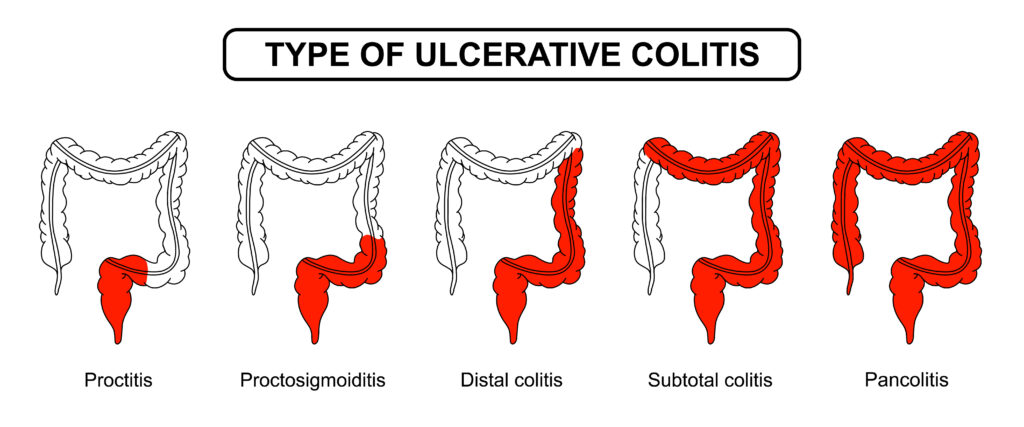
Ulcerative colitis: Everything you need to know about symptoms, bowel examinations, and the path to diagnosis Do you live with stomach pain, or do you have
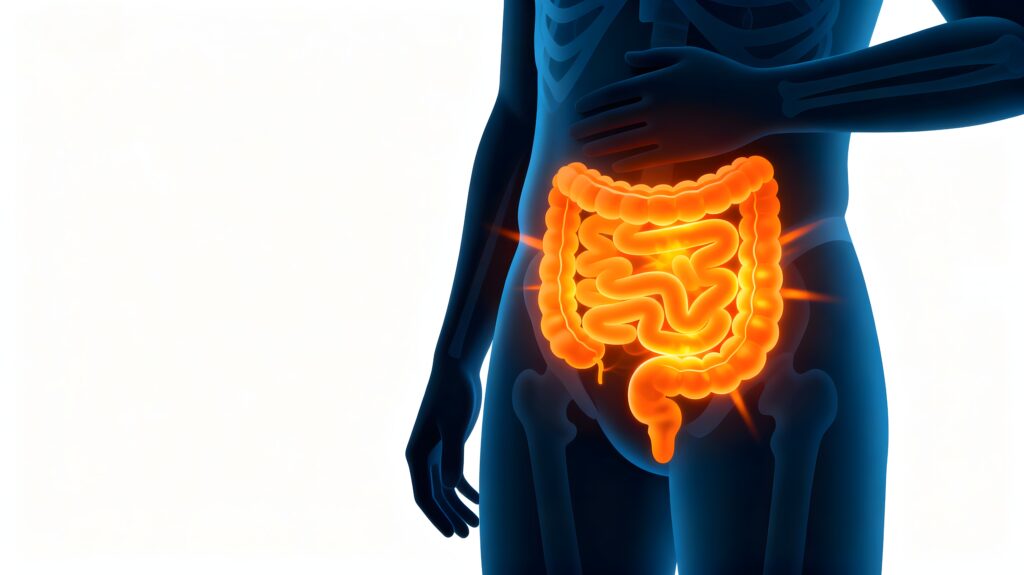
Microscopic colitis: An overlooked cause of chronic diarrhea Do you suffer from persistent, watery diarrhea that affects your daily life? Many patients

Chronic Diarrhea 1. Definition and Description In Denmark, chronic diarrhea is defined as a condition in which one has loose or watery stools.