
The final stage of digestion: anorectal DGBIs
By Dr. Bahir Hadi — Consultant Surgeon, PhD
Content from /en/blog/dgbi-anorektal/
The final stage of digestion: anorectal DGBIs
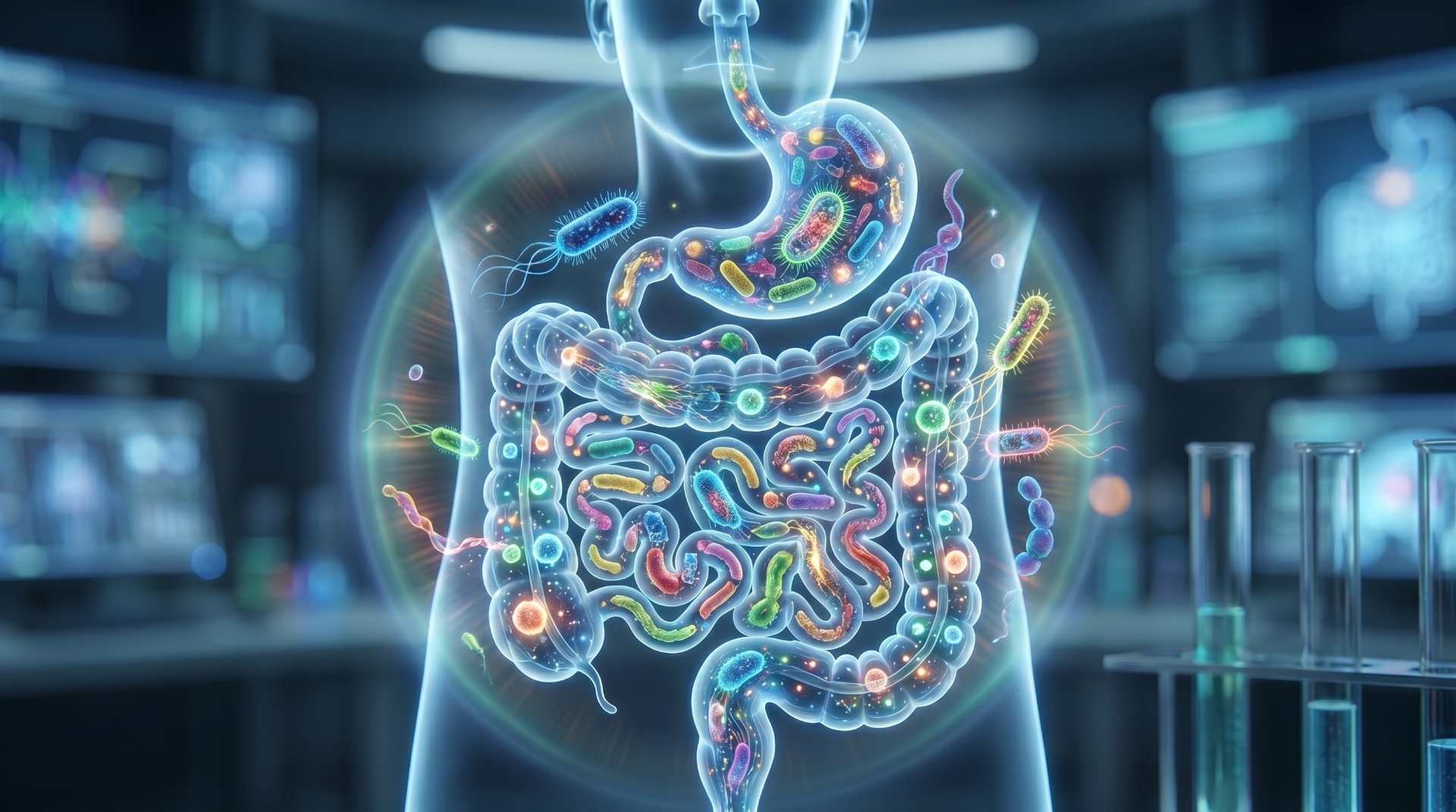
Author: Dr. Bahir Hadi, Consultant Surgeon, PhD · Date: June 2026
Abstract
Of all the categories in Rome V, anorectal DGBIs are often the hardest for patients to discuss. The stigma surrounding bowel coordination issues keeps many people suffering in silence. Yet these conditions are common, highly treatable and arise from the very same gut-brain miscommunications as acid issues or stomach bloating [1, 2].
The art of defecation
Having a normal bowel movement requires a complex, highly coordinated dance between brain, pelvic floor and anal sphincters: abdominal muscles must push while the pelvic floor relaxes [2]. When the brain sends uncoordinated signals, these muscles pull against each other - producing functional constipation, pain or incontinence [1].
The major anorectal DGBIs
- Functional defecation disorders (pelvic floor dyssynergia): the patient tries to pass stool, but pelvic floor muscles paradoxically tighten instead of relaxing, effectively blocking the exit. It feels like pushing against a brick wall, regardless of how soft the stool is [2].
- Functional anorectal pain: includes levator ani syndrome (dull, constant rectal ache from chronic muscle spasm) and proctalgia fugax (sudden, fleeting, stabbing pains lasting seconds to minutes) [2].
- Faecal incontinence: involuntary leakage of gas or stool due to a breakdown in sensory awareness or sphincter coordination - without an underlying structural tear or nerve injury [2].
Retraining the system
Because these conditions are mechanical and neural, standard laxatives often fail to solve the core issue [2]. Instead, pelvic floor biofeedback - where visual sensors help patients relearn how to coordinate and relax these muscles - has very high success rates by restoring proper gut-brain physical mechanics [1, 2].
Differential diagnoses
Anorectal symptoms can also be caused by structural disease - for example hemorrhoids, anal fissure, rectal prolapse or pudendal neuralgia. These should be excluded by clinical anal examination before a DGBI diagnosis [1].
Work-up at Kirurgen.dk
We offer discreet clinical anal examination, sigmoidoscopy and referral to pelvic floor physiotherapy. Continue the DGBI series: Bowel DGBIs, Centrally mediated pain, Rome V new diagnoses.
References
- Rome Foundation. Rome V Diagnostic Criteria for Disorders of Gut-Brain Interaction. Drossman DA, Tack J, Chang L et al. (eds.), 2026 update.
- Rao SSC, Bharucha AE, Chiarioni G et al. Anorectal Disorders. Rome IV/V chapter on functional defecation disorder, functional anorectal pain and faecal incontinence. Gastroenterology - consensus article.
More on this topic at Kirurgen.dk
Category: Gut–brain axis disorders