
Colonoscopy (endoscopic examination of the colon)
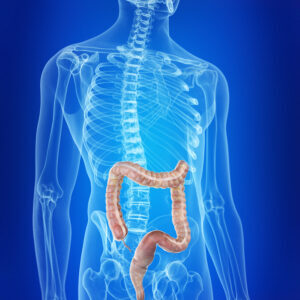
Colonoscopy is an endoscopic examination intended to examine the colon, and for certain indications the last part of the small bowel (terminal ileum) is examined. The examination gives direct visualisation of the lining, the option of biopsies and often treatment in the same session.
Written and medically reviewed by Bahir Hadi, specialist in surgery, PhD
Short answer
What happens during a colonoscopy?
During a colonoscopy a soft camera is passed through the rectum into the large bowel so the lining can be seen directly. The duration varies between 10 and 45 minutes. The need for sedation and pain relief is assessed individually. Polyps can be removed along the way. The bowel is emptied following the preparation instructions you are given. How long you stay at the clinic afterwards depends among other things on sedation and on how the examination goes, but most people go home after 20 minutes.
Watch the guide as a video
Alternative to reading — approx. 2 min.
Colonoscopy at Kirurgen.dk: in brief
- Waiting time: about 6-8 weeks for non-urgent cases; may vary
- Suspected cancer: justified suspicion is handled within the national cancer pathway, and the appointment is agreed specifically
- Sedation: sedative and pain-relieving medication is assessed together with you based on need, health and the extent of the procedure
- Specialist: Bahir Hadi, consultant surgeon, PhD
- Price: If you are in health insurance group 1 and have a valid referral from your GP, examinations and treatments covered by the clinic's agreement are paid by the public health insurance. You therefore pay nothing for these services. In group 2 there is usually a small co-payment under the health insurance rules. If you are a self-payer, contact the clinic for a price.
- Location: Charlottenlund, within walking distance of Charlottenlund Station on the Kystbanen line
Endoscopic examination of the large bowel (colonoscopy)
Colonoscopy is an endoscopic examination of the large bowel. A flexible colonoscope, about as thick as a little finger, is inserted through the rectum and advanced through the whole colon. In the great majority of examinations the scope can be advanced all the way to the caecum, and for certain questions the last part of the small bowel is also examined. The scope has a camera and channels for air or carbon dioxide (CO2, a gas the body absorbs faster than ordinary air, which means less bloating afterwards), water, suction and instruments. If colonoscopy cannot be carried out, or is incomplete, CT colonography can be an alternative. A finding at CT colonography may subsequently require colonoscopy.
When is a colonoscopy used?
Colonoscopy is the examination that gives a direct view of the lining of the colon while also making it possible to take biopsies and remove polyps. The choice between colonoscopy and other bowel investigations depends on symptoms, age, previous findings and your general health. Colonoscopy is used, among other things, for:
- bleeding from the bowel, low blood count or iron deficiency, unexplained weight loss, abdominal pain and altered bowel habit
- a positive stool test in the national bowel cancer screening programme
- surveillance of patients who have previously had polyps removed
- follow-up after surgery for bowel cancer
- suspected or established inflammatory bowel disease
Close relatives of people with cancer of the colon or rectum may need colonoscopy at fixed intervals, but this does not apply to everyone. Whether and how often depends on how many family members have had cancer, how old they were, whether a hereditary predisposition has been identified, and on previous findings. There is no single schedule that suits every family.
Polyps are found in a considerable proportion of those examined. Many can be removed in the same session, but not all polyps can or should be removed the same day. Some are so large, so broad-based or so awkwardly placed that removal is planned separately or at a department with special expertise. Read more about removal of bowel polyps.
How long does a colonoscopy take?
The duration varies from person to person and depends among other things on the anatomy of the bowel, the quality of the preparation and whether biopsies need to be taken or polyps removed. We therefore cannot give a fixed number of minutes in advance. The examination typically takes longer if the bowel is long and tortuous, or if there are adhesions from previous abdominal surgery. See also how long a colonoscopy takes.
Is a colonoscopy uncomfortable?
The lining of the bowel is not very sensitive to touch. Taking biopsies or removing small polyps is therefore usually not painful. Discomfort and pain arise mainly when the bowel is distended with gas and when the scope pulls on the bowel's suspension (the mesentery) while the bends of the colon are straightened out.
Discomfort is experienced differently. Some feel almost nothing, others have brief, strong cramps, and we cannot promise that the examination will cause only mild discomfort. If you cannot tolerate the examination, it can be stopped and, if appropriate, repeated under different conditions.
The use of sedative and pain-relieving medication is planned together with the clinician based on your needs, your health, the extent of the procedure and safety. It is neither purely a patient choice nor something given to everyone as standard. General anaesthesia is normally not used for colonoscopy in the clinic. If you have been given intravenous sedation, for 24 hours you must not drive, cycle, operate machinery, drink alcohol, sign legally binding documents or make important decisions. You must have an adult accompany you home.
How do you prepare for a colonoscopy?
A good result requires that the bowel is thoroughly cleaned out. This calls partly for some dietary changes, partly for a bowel-cleansing preparation. You receive personal instructions from the clinic with the preparation and timings, and these take precedence over the general advice here and over the package leaflet.
What can you eat before the colonoscopy?
- The days before: Seeds and grains can block the equipment and hide small polyps. According to the clinic's instructions you start a seed- and fibre-free diet 3 days before the examination: avoid seeded rye bread, wholegrain bread, muesli, oats, nuts, almonds, seeds, popcorn, pulses and fruit and vegetables with skin or seeds. See the specific meal plan in the guide to a low-residue diet before colonoscopy.
- The day before: Eat a small, light meal no later than one hour before the preparation starts at 2 pm. After that, clear liquids only: water, sparkling water, clear cordial, clarified apple juice, light-coloured soft drinks, tea and coffee without milk, clear broth, and water ice or sorbet without berries and fruit pieces. Avoid dairy products, juice with pulp, cloudy or thick soups, and red, blue and purple drinks that can look like blood in the bowel. Alcohol must not be used as a clear liquid.
- The day of the examination: No solid food. You may drink clear liquids until the stop time stated in your appointment letter or personal instructions. It depends on the time of the examination and on whether you are to have sedation. After that you must neither eat nor drink until the examination is over.
- Diabetes: If you have diabetes, insulin or other blood-sugar-lowering treatment, do not follow general advice about sugary drinks. Contact the clinic in good time so that food, carbohydrate-containing fluids and medication are planned together with the doctor who treats your diabetes.
- Medication: There is no general rule about pausing or continuing regular medication before a colonoscopy. Anticoagulant and antiplatelet medication, diabetes medication, GLP-1-based medication (e.g. Ozempic, Wegovy, Rybelsus, Saxenda, Victoza or Trulicity) as well as Mounjaro, iron supplements and acid-suppressing treatment are assessed individually based on the bleeding risk of the procedure and your other conditions. Contact the clinic in good time. Never stop or change prescribed medication without a specific agreement with the treating doctor.
How does the bowel preparation work?
The clinic hands out instructions with Picoprep and Dulcolax, which you can also download as a PDF at the bottom of this page. That is the plan to follow. In brief:
- 4, 3 and 2 days before: 2 Dulcolax tablets of 5 mg once daily for three days. From 3 days before, eat a seed- and fibre-free diet and drink plenty.
- The day before at 2 pm: Stir the first sachet of Picoprep into 150 ml of cold water for 2-3 minutes until it stops fizzing and drink it within 15 minutes. Then drink at least 1.5 litres of clear liquid over the next 4-6 hours.
- The day before at 8 pm: Take the second sachet in the same way, followed by at least 1.5 litres of clear liquid over the next 2-4 hours.
- The day of the examination: Clear liquids only until the stop time in your appointment letter.
If your appointment letter or a specific message from the clinic differs from this, the personal message applies. Do not use someone else's plan, and do not change the dose or timing yourself. If you have heart or kidney disease, a fluid restriction or diabetes, the amount of fluid must be agreed with the clinic.
People react differently to the preparation, both in how quickly it works and how long it lasts. It causes quite a lot of watery diarrhoea, so you should stay near a toilet while it is working.
- It can affect your night's sleep.
- Many experience some cramping or nausea. Drink slowly, and take a break if you feel nauseous.
- The skin around the anus can become irritated. Apply a rich cream several times.
What happens after the colonoscopy?
- Allow about half an hour for observation. We offer a cup of coffee and a piece of bread.
- The specialist goes through the findings with you before you go home. If biopsies have been taken, you will be told when to expect the result.
- If you have been given intravenous sedation, an adult must accompany you home, and the rules for the first 24 hours above apply.
How often should you have a colonoscopy?
The interval depends on what is found at the examination and on your risk of bowel cancer:
- Complete examination with no findings: most people do not need another colonoscopy for many years and can follow the ordinary bowel cancer screening programme.
- After polyp removal: the interval depends on number, size, microscopy result and whether the polyps were completely removed. Low-risk findings often lead back to ordinary screening, while high-risk findings are checked earlier. There is no single fixed interval that suits everyone (ESGE, post-polypectomy surveillance, 2020).
- Incomplete examination or poor preparation: the examination is repeated earlier, often within a year.
- Familial or hereditary risk: a surveillance programme based on the family's risk profile and any genetic work-up.
- After surgery for bowel cancer: structured follow-up according to the national plan for your specific pathway.
You always receive the specific interval in writing together with the biopsy results.
If you develop symptoms such as blood in the stool, altered bowel habit, unexplained weight loss or a low blood count, you should be referred for assessment regardless of when you last had a colonoscopy.
When are bowel movements normal again after colonoscopy?
In the first 1-2 days after a colonoscopy many people have mild, passing effects:
- stools are loose or absent, because the bowel was emptied during preparation. When they return to normal varies from person to person
- a little fresh blood may be seen in the stool if polyps were removed or biopsies taken
- there is gas in the abdomen and frequent passing of wind
You can usually eat and drink normally shortly after the examination unless told otherwise. If the effects get worse rather than better, or you develop any of the symptoms under "Is a colonoscopy dangerous?", seek assessment. Read more about side effects after colonoscopy.
Is a colonoscopy dangerous?
Colonoscopy is a well-established examination. Complications such as bleeding or a hole through the bowel wall are rare. The risk is not the same for everyone: it is higher when large polyps are removed than when small polyps are removed or in a purely diagnostic examination. Benefits and risks are therefore weighed individually against the indication.
Seek assessment the same day if, in the days following the colonoscopy, you develop:
- increasing or severe abdominal pain
- heavier or repeated bleeding from the bowel
- fever, chills or general deterioration
Call the clinic during opening hours. Outside opening hours, do not wait for the clinic to open: contact the emergency line 1813 in the Capital Region or the out-of-hours doctor in your region. Call 112 for heavy bleeding that does not stop, severe abdominal pain, difficulty breathing, chest pain, fainting or altered consciousness. Mild tiredness or feeling slightly off on its own is not a reason to call 112. A scheduled appointment at the clinic does not replace an acute assessment.
What does a colonoscopy cost, and do you need a referral?
With a referral from your GP the pathway is covered by the public health insurance under the current rules. The current waiting time for non-urgent patients without suspected cancer is about 6-8 weeks. Waiting times may vary. Where cancer is justifiably suspected, the pathway follows the national cancer pathway.
If you do not have a referral, you can book directly as a self-payer. Contact the clinic for a quote so we can assess how extensive a pathway you need. The preliminary consultation, the colonoscopy itself and any polyp removal are linked, and the price depends on whether you need sedation.
Where is the clinic?
The clinic is at Hans Edvard Teglers Vej 9, 1st floor, 2920 Charlottenlund, within walking distance of Charlottenlund Station on the Kystbanen line. There is a lift. Check the current journey time on Rejseplanen before you set off.
If you come by car, parking conditions on Hans Edvard Teglers Vej and the surrounding roads vary. Follow local signage and allow time to find a space. Remember that you must not drive yourself home if you are given sedation.
Colonoscopy in Copenhagen, Charlottenlund and as a self-payer
- Copenhagen and Greater Copenhagen: the clinic is on the Kystbanen line and receives patients from the whole capital area.
- Charlottenlund and North Zealand: the clinic covers Hellerup, Gentofte, Klampenborg, Lyngby, Holte and the rest of North Zealand.
- Self-payer: if you do not have a referral, you can book directly. Contact the clinic for a specific quote. The price depends on whether polyp removal and sedation are needed.
- Anaesthesia: the need for sedative and pain-relieving medication is assessed together with the clinician. General anaesthesia is normally not used for colonoscopy.
References
- European Society of Gastrointestinal Endoscopy (ESGE). Bowel preparation for colonoscopy: guideline update 2019. Endoscopy 2019;51:775-794.
- European Society of Gastrointestinal Endoscopy (ESGE). Post-polypectomy colonoscopy surveillance: guideline update 2020. Endoscopy 2020;52:687-700.
- Zauber AG et al. Colonoscopic polypectomy and long-term prevention of colorectal-cancer deaths. N Engl J Med 2012;366:687-696. Cohort follow-up of the National Polyp Study, not a randomised trial.
Read more about the examination
Preparation and aftercare are described in separate guides.
Low-residue diet before colonoscopy · Side effects after colonoscopy · How long does a colonoscopy take · Sigmoidoscopy
Contact and appointments
Online booking is not available. Please call the clinic or ask your GP for a referral, so we can find the right appointment.
If you are in health insurance group 1 and have a valid referral from your GP, the examinations and treatments covered by the clinic's public health agreement are covered by the Danish public health insurance, so you pay nothing for them yourself. If you are in health insurance group 2, there is usually a small co-payment under the health insurance rules. If you are paying yourself, contact the clinic for a price.
Call the clinic
+45 39 64 01 25
Phone hours
Phone hours: Mon–Thu 09:00–12:00
Address
Hans Edvard Teglers Vej 9, 1st floor · 2920 Charlottenlund
Frequently asked questions
What is a colonoscopy?+
Colonoscopy is an endoscopic examination of the colon. A specialist uses a thin, flexible scope passed through the rectum. The last part of the small bowel (terminal ileum) can sometimes be examined, but this is not guaranteed.
How do I prepare for a colonoscopy?+
The bowel must be as empty as possible so the lining can be assessed. You receive the clinic's written instructions with Picoprep and Dulcolax: Dulcolax for three days, a seed- and fibre-free diet from 3 days before, and Picoprep the day before at 2 pm and 8 pm followed by plenty of clear fluid. Follow the handed-out instructions and your appointment letter rather than general advice. Medication is reviewed individually.
Is a colonoscopy painful?+
Discomfort varies. Some feel only pressure in the abdomen, others stronger cramps. The need for sedation and pain relief is assessed together with the clinician, and the duration varies, so we do not state a fixed number of minutes.
When will I get the results?+
The specialist discusses the findings with you immediately after the examination. Many polyps can be removed in the same session, but not all can or should be removed on the day. If biopsies were taken, the clinic tells you when the result is expected and how you will receive it.
What does a colonoscopy cost?+
The clinic holds a provider number under the Danish public health insurance and receives referred patients for services covered by the current agreement; whether a specific service is covered is clarified before the course of treatment. For self-payers, please contact the clinic for the current price.
How long does a colonoscopy take?+
Both the examination and the total visit vary. The time depends on anatomy, bowel preparation quality, tolerance, any biopsies or treatment and the need for observation afterwards. You are told how much time to set aside when you are given your appointment.
Can I eat before a colonoscopy?+
Diet before a colonoscopy and the timing of clear fluids follow the instructions you are given, adapted to your situation and the preparation used. Follow the clinic current guidance rather than general timings, and ask if anything is unclear.
How often should you have a colonoscopy?+
It depends on the findings. After a complete examination with no findings, most people do not need another colonoscopy for many years and follow the ordinary screening programme. After polyp removal the interval depends on the number, size, histology and completeness of resection, so there is no single fixed interval (ESGE 2020). First-degree relatives of patients with colorectal cancer are followed regularly according to Danish Health Authority advice. You receive your specific interval in writing.
What are the stools like after a colonoscopy?+
Recovery varies. Stools may be loose or absent for a while because the bowel was emptied, and wind is common. Whether some bleeding can be expected depends on what was done. Seek urgent or immediate assessment in case of heavier or persistent bleeding, severe, increasing or persistent abdominal pain, fever or chills, dizziness or fainting, or if you feel generally unwell.
Related
Share this page
Contact information
- Hans Edvard Teglers Vej 9, 1st floor · 2920 Charlottenlund
- +45 39 64 01 25
- mail@kirurgen.dk
- Phone hours: Mon–Thu 09:00–12:00
For referring physicians
Provider number: 215430