
Anal fissure
An anal fissure is a small tear in the skin and lining at the anal opening. It usually causes sharp pain when you open your bowels and a little fresh red blood, and most fissures heal without surgery.
Written and medically reviewed by Bahir Hadi, specialist in surgery, PhD
Short answer
How is an anal fissure treated?
Start with soft stools and regular use of the prescribed local treatment. Diltiazem gel is the first choice; Rectogesic next if the effect is insufficient or diltiazem is not tolerated, then possibly Levorag. Botox is considered after unsuccessful correct local treatment or in a chronic fissure, and surgery only if the other options are insufficient. Treatment is chosen individually and must not be changed without agreement with the clinic.
What is an anal fissure?
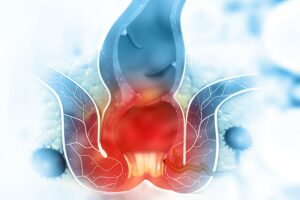
An anal fissure is a small tear in the skin and lining at the anal opening. It usually sits at the back and can cause sharp, intense pain, particularly when you open your bowels. You may notice a little fresh red blood on the paper or on the stool, and the pain can carry on for hours after a visit to the toilet.
The pain does not come from the tear alone. The internal sphincter muscle can also go into spasm. That spasm reduces the blood supply to the area and makes it harder for the tear to heal.
Most fissures can be treated without surgery.
Typical symptoms
- Sharp, burning or cutting pain when opening your bowels.
- Pain lasting from minutes to several hours after using the toilet.
- A little fresh red blood on the toilet paper or on the stool. Read more about blood in stool.
- Fear of opening the bowels, which easily leads to constipation.
These symptoms can look like other bowel conditions. We therefore examine you before treatment starts, and if there is any doubt or other warning signs, a bowel examination (colonoscopy) may be relevant.
Fissure or haemorrhoids?
The two conditions are easily confused. The character and timing of the pain usually differ.
| Feature | Anal fissure | Haemorrhoids |
|---|---|---|
| Pain | Sharp, cutting pain during and especially after a bowel movement | More often pressure, irritation and itching than true pain |
| Duration | Pain can last well beyond the toilet visit | Symptoms tend to come in episodes of swelling or prolapse |
| Bleeding | Small amounts of fresh blood | May bleed bright red, often without pain |
An acutely thrombosed external haemorrhoid, where a blood clot has formed in an external haemorrhoid, can however be very painful. A fissure typically causes sharper pain that lingers after a bowel movement.
How long does healing take?
Many people feel better within 2-4 weeks. Full healing often takes 6-12 weeks. Some need a longer course of treatment as agreed with the doctor.
We normally arrange a review after about 4 weeks of treatment. Always keep to the agreed dose and duration for each product.
Treatment step by step
At Kirurgen.dk the local treatments are used in the order below. The choice depends on your symptoms, on the effect so far and on the doctor's assessment.
1. Diltiazem gel
First choice. The gel relaxes the sphincter muscle and gives the tear a better chance to heal. It is normally applied twice a day using roughly a pea-sized amount, as prescribed. Contact the clinic if side effects bother you.
2. Rectogesic ointment

Can be used if diltiazem does not help enough or is not tolerated. Use the ointment as prescribed. It can cause headache.
3. Levorag rectal tube
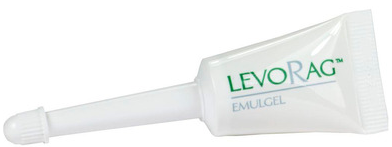
Can be used as the next local treatment if symptoms continue. Levorag is a single-use tube with a long rectal applicator. Follow the instructions you have been given.
4. When is Botox considered?
A Botox injection may be considered if the fissure has not healed or pain persists despite correct local treatment for about 6-8 weeks, or in a chronic fissure. The doctor assesses whether it is right for you.
5. When is surgery considered?
Surgery may be considered for a severe or chronic fissure when the other treatments, and possibly Botox, have not been enough. The options are discussed with the doctor.
Do not change your treatment on your own. Follow the clinic's instructions on product, dose and duration.
What you can do yourself
Treatment takes patience. Soft stools and regular use of the prescribed treatment are an important part of the course.
- Keep the stool soft. Drink plenty, eat fibre if you tolerate it, and use a laxative if agreed with the doctor.
- Avoid straining on the toilet. Keep up the good bowel habits, also once the pain has eased.
- Warm sitz baths can relieve symptoms. Clean the area gently and avoid heavy rubbing.
- Use your treatment regularly and for the period agreed with the clinic.
Contact the clinic if
- the pain increases markedly, or you develop fever or pus
- the bleeding becomes clearly heavier
- you notice no improvement within the agreed period.
Also available in: Danish
Contact and appointments
Online booking is not available. Please call the clinic or ask your GP for a referral, so we can find the right appointment.
If you are in health insurance group 1 and have a valid referral from your GP, the examinations and treatments covered by the clinic's public health agreement are covered by the Danish public health insurance, so you pay nothing for them yourself. If you are in health insurance group 2, there is usually a small co-payment under the health insurance rules. If you are paying yourself, contact the clinic for a price.
Call the clinic
+45 39 64 01 25
Phone hours
Phone hours: Mon–Thu 09:00–12:00
Address
Hans Edvard Teglers Vej 9, 1st floor · 2920 Charlottenlund
Frequently asked questions
What is an anal fissure?+
An anal fissure is a small tear in the lining at the anal opening. It typically causes sharp pain on passing stool and a little fresh blood on the paper. The internal sphincter muscle can go into spasm, reduce the blood supply and delay healing.
How long does healing take?+
Many people feel better within 2–4 weeks. Full healing often takes 6–12 weeks. A review is normally arranged after about 4 weeks.
Which local treatments are used?+
At Kirurgen.dk, diltiazem gel is the first choice; Rectogesic is used if the effect is insufficient or diltiazem is not tolerated; Levorag may be the next local treatment. The clinician chooses; you must not switch treatment, dose or duration on your own.
When is Botox considered?+
If there is no healing or persistent pain despite correct local treatment for about 6–8 weeks, or for a chronic fissure.
When is surgery considered?+
For a severe or chronic fissure when other treatment, and possibly Botox, has not been enough. The options are reviewed with the doctor.
Related
Share this page
Contact information
- Hans Edvard Teglers Vej 9, 1st floor · 2920 Charlottenlund
- +45 39 64 01 25
- mail@kirurgen.dk
- Phone hours: Mon–Thu 09:00–12:00
For referring physicians
Provider number: 215430