
Nasal gastroscopy
In nasal gastroscopy a very thin scope is passed through the nose into the oesophagus, stomach and duodenum. The scope does not block the airway, but the experience varies: speech, gagging, nosebleeds and feasibility are not the same for everyone.
Written and medically reviewed by Bahir Hadi, specialist in surgery, PhD
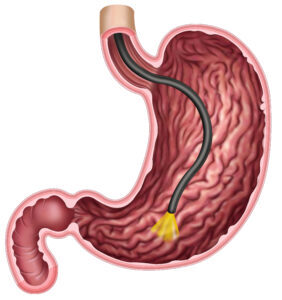
Endoscopic Examination of the Esophagus and Stomach (Gastroscopy)
Gastroscopy is an endoscopic examination of the oesophagus, stomach and duodenum. Nasal gastroscopy is an alternative access route for upper gastrointestinal endoscopy, in which an ultra-thin endoscope is passed through the nose instead of the mouth.
The endoscope is inserted through a nostril. It is ultra-thin (4.9 mm) compared with a conventional gastroscope (around 10 mm). The examination can visualise the mucosa of the oesophagus, stomach and duodenum and, where needed, allow biopsies. Findings are interpreted together with symptoms and the rest of the work-up, and a normal examination does not rule out every cause of symptoms. The biopsy itself is often not felt, but the examination as a whole can cause discomfort. Whether samples are taken for microscopy or for Helicobacter pylori, and which analysis is chosen, is decided by indication.
What is the difference between the nasal and the oral route?
The difference is the access route. In classic oral gastroscopy a conventional endoscope passes over the base of the tongue, where the gag reflex sits. In nasal gastroscopy an ultra-thin endoscope is passed through a nostril and therefore bypasses the base of the tongue. The exact diameter depends on the equipment.
- Gagging: randomised and prospective studies suggest that unsedated transnasal access can reduce gagging or be experienced as easier than the oral route. Minor nosebleed and throat irritation can occur, and in a few people there is not enough room in the nose, so the examination has to be done through the mouth.
- The airway: the scope is not passed through the airway and does not block air passage. Experience, communication and the ability to swallow or speak vary from person to person, and you follow the staff's instructions during the procedure.
- Scope of the examination: both access routes are intended to examine the oesophagus, stomach and duodenum. Image quality, passage, biopsy options and completion can depend on the equipment and on patient factors.
If there is not enough room in the nose, the examination can be carried out through the mouth. The need for further local anaesthesia or sedation is assessed individually.
Anaesthesia and sedation
For nasal gastroscopy the nose is anaesthetised with a clear gel containing a local anaesthetic. The nasal route is chosen according to the space available and is assessed during the procedure. For many, local anaesthesia is enough because the thin scope avoids the base of the tongue, but gagging, discomfort and minor nosebleed can occur, and some need to switch to the oral route or stop the examination. Sedation is rarely necessary and the need is assessed individually. If you receive intravenous sedation, the 24-hour rule applies: no driving, cycling, machinery, alcohol, legally binding documents or important decisions, and an adult must accompany you home.
Preparation for Nasal Gastroscopy
A full stomach cannot be examined, so you must fast. The exact intervals for food and fluids are set out in the instructions you receive from the clinic and are adapted to your situation and to any sedation. Always follow the current instructions rather than general figures. Medication on the day is agreed individually, particularly anticoagulant and antiplatelet treatment, diabetes medication and GLP-1 agonists. Never stop or change prescribed medication without a specific agreement with the doctor treating you.
Endoscopic Examination
During a nasal gastroscopy, you lie on your left side. After insertion through the nose, you will be asked to swallow so the scope can pass down into the oesophagus. How easily this goes varies from person to person. You then swallow if you feel the need to. During the Nasal Gastroscopy examination the mouth is free, because the scope is not passed through the airway and does not block air passage. How well you can swallow, speak and make yourself understood varies from person to person. Signs of actual airway compromise are not part of the expected procedure experience and require immediate action, including emergency services if necessary.
The duration of the examination varies and depends on anatomy, tolerance and whether biopsies are taken, so we do not state a fixed number of minutes. The specialist gives a preliminary endoscopic result in connection with the examination. If tissue samples are taken, the histology result comes later and is a separate part of the pathway; you are told the expected turnaround and how you will receive it. The stomach of a fasting person is empty and collapsed. To be able to see, a little air is blown into the stomach. An urge to burp can occur; follow the staff's instructions.
After the Examination
Because of the local anaesthetic in the throat, there is a risk of food and drink going down the "wrong pipe". You may eat and drink again once you have been told to and your swallowing function is adequate. Start with a little water. Whether you can drive or return to work afterwards depends on sedation, symptoms and the specific instructions you are given. If you have received intravenous sedation, the 24-hour rule applies.
Is Nasal Gastroscopy Dangerous?
Nosebleed and nasal or throat discomfort can occur and mostly settle on their own. Serious complications are rare. The risk is not the same for everyone, and you are given individual information about what applies in your situation and when to contact the clinic or emergency care.
FAQ: Nasal Gastroscopy (Examination through the nose)
What is known about the difference between the nasal and oral route? Randomised and prospective studies suggest that unsedated transnasal access can, in some people, reduce gagging or be experienced as easier than the oral route. In the randomised study cited below, transnasal access could not be completed in 8 percent of patients, and a small amount of epistaxis was seen in just under 6 percent of completed examinations. Tolerance, nasal discomfort, feasibility and preference vary from person to person, and the results cannot be transferred as a promise to the individual.
Is anaesthesia necessary for nasal gastroscopy? The nose is anaesthetised with a gel containing a local anaesthetic. For many this is enough, because the thin scope avoids the base of the tongue, but the need for further local anaesthesia or sedation is assessed individually together with the clinician.
References: Yagi J, Adachi K, Arima N, et al. A prospective randomized comparative study on the safety and tolerability of transnasal esophagogastroduodenoscopy. Endoscopy. 2005;37(12):1226-1231. PMID: 16329022. DOI: 10.1055/s-2005-921037.
Gastroscopy
Contact and appointments
Online booking is not available. Please call the clinic or ask your GP for a referral, so we can find the right appointment.
If you are in health insurance group 1 and have a valid referral from your GP, the examinations and treatments covered by the clinic's public health agreement are covered by the Danish public health insurance, so you pay nothing for them yourself. If you are in health insurance group 2, there is usually a small co-payment under the health insurance rules. If you are paying yourself, contact the clinic for a price.
Call the clinic
+45 39 64 01 25
Phone hours
Phone hours: Mon–Thu 09:00–12:00
Address
Hans Edvard Teglers Vej 9, 1st floor · 2920 Charlottenlund
Frequently asked questions
What is nasal gastroscopy?+
Nasal gastroscopy is an endoscopic examination of the oesophagus, stomach and duodenum in which an ultra-thin endoscope is passed through one nostril instead of the mouth. The exact calibre depends on the equipment used. Some people tolerate the nasal route better than the oral examination, but not everyone does.
What is the difference between gastroscopy through the nose and the mouth?+
The difference is the route. Through the nose the base of the tongue is bypassed, which in some people can reduce gagging or feel easier. Tolerability, the ability to speak and technical feasibility vary, and the scope does not block the airway. Through the mouth a slightly thicker scope is used. Both routes are intended to examine the oesophagus, stomach and duodenum, but image quality, passage, biopsy options and completion can depend on the equipment and on patient factors.
What anaesthesia is used for gastroscopy?+
For nasal gastroscopy the nostril is numbed with a clear gel containing a local anaesthetic. For many this is enough, because the thin scope avoids the tongue base. For oral gastroscopy the throat is anaesthetised. The need for sedation is assessed together with the clinician, based on your situation and the procedure.
How long does a gastroscopy take?+
The duration varies and depends on anatomy, tolerance and whether biopsies are taken, so we do not state a fixed number of minutes. Allow time for the whole visit, including consultation, examination and a short observation afterwards.
How do I prepare for a gastroscopy?+
You must fast. The exact intervals for food and fluids are set out in the instructions you receive from the clinic and are adapted to your situation and any sedation. Medication on the day is agreed individually, particularly blood thinners. Never stop or change prescribed medication without a specific agreement.
Is nasal gastroscopy painful?+
The experience varies. Many mainly notice brief pressure in the nose, while others have discomfort, gagging or a minor nosebleed. Some need to switch to the oral route or stop the examination.
Can I eat and drink after a gastroscopy?+
You may eat and drink again once you have been told to and your swallowing function is adequate. Start with a small sip of water before solid food. Whether you can drive or work afterwards depends on sedation, symptoms and the instructions you are given. After intravenous sedation the 24-hour rule applies.
When is a gastroscopy necessary?+
Gastroscopy is used for persistent heartburn, difficulty swallowing, repeated abdominal pain, vomiting, blood in vomit or stool, iron deficiency without a known cause and suspicion of a stomach ulcer, coeliac disease or early stomach cancer. The specialist can also take tissue samples during the examination.
Related
Share this page
Contact information
- Hans Edvard Teglers Vej 9, 1st floor · 2920 Charlottenlund
- +45 39 64 01 25
- mail@kirurgen.dk
- Phone hours: Mon–Thu 09:00–12:00
For referring physicians
Provider number: 215430