
Proctalgia Fugax
Written and medically reviewed by Bahir Hadi, specialist in surgery, PhD
Proctalgia Fugax: Sudden rectal pain - What is the cause?
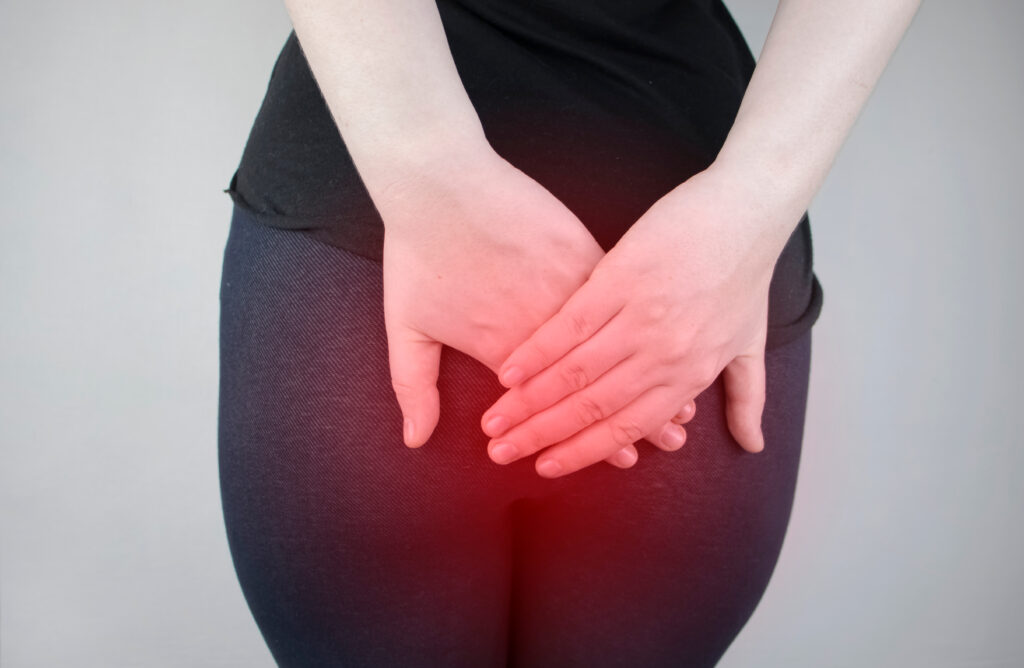
Do you experience sudden, intense cramps in the rectum that disappear as quickly as they arrived? You are not alone. Many people suffer from proctalgia fugax, a condition characterised by acute rectal pain, which often occurs at night or while at rest.
Although the pain can be frightening, the condition is usually harmless. But when should you consider a bowel examination to rule out other causes? In this post, we take a closer look at symptoms, causes, and evidence-based treatment.
What is proctalgia fugax?
Proctalgia fugax is defined as brief episodes of severe pain in the rectal area (anorectal). The pain is likely caused by spasms in the anal sphincter or the pelvic floor muscles.
Typical symptoms:
- Sudden intensity: The pain starts without warning.
- Short duration: Episodes typically last from a few seconds up to 30 minutes.
- Nocturnal attacks: The attacks can wake you at night.
- Painless intervals: Between attacks, there are no symptoms.
When is a bowel examination necessary?
Although the condition itself is benign, it is important to rule out underlying diseases if your rectal pain changes character. A doctor will often assess whether there is a need for an endoscopic examination (sigmoidoscopy or colonoscopy).
You should seek medical advice for a bowel examination if you experience:
- Blood in the stool.
- Unexplained weight loss.
- Changed bowel habits over a prolonged period.
- Pain that does not disappear quickly (constant pain).
Causes and risk factors
The precise cause of proctalgia fugax is still unknown, but research points to dysfunction in the internal anal sphincter. Stress and anxiety have also been shown to trigger or worsen the frequency of attacks.
Did you know? Proctalgia fugax occurs in the general population, but the exact frequency is uncertain and varies between studies.
Treatment options: What does the science say?
As the attacks are short-lived, medication rarely has time to work before the pain is gone. However, there are preventive and acute strategies:
- Relaxation: Warm baths or pelvic floor exercises can help loosen the cramp.
- Ointments: Nitroglycerin or calcium channel blocker ointment, known from the treatment of anal fissure, has been tried in small studies. The evidence for proctalgia fugax is weak and the ointments can cause side effects such as headache, so they are not standard treatment and should only be tried in agreement with a doctor.
- Inhaled salbutamol: Some studies have shown that asthma medication (salbutamol) can shorten the duration of the pain.
Scientific references (PubMed)
To ensure the highest professional validity, here are the sources used for this article:
- Takano M. Proctalgia fugax: caused by abnormal forcing of the levator ani muscle. J Anus Rectum Colon. 2017.
- Jeyarajah S, et al. Proctalgia fugax, an evidence-based management algorithm. Z Gastroenterol. 2010.
- Grimes WR, Stratton M. Proctalgia Fugax. StatPearls [Internet]. 2023.
More on this topic at Kirurgen.dk
Category: Anal surgery